The Data Deserves a Better Conversation
The “gaming and relationships” discourse tends to collapse into two camps. Camp one: gaming is destroying couples, eroding intimacy, and making an entire generation emotionally unavailable. Camp two: gaming is fine, stop being dramatic, everyone’s a gamer now anyway. Both camps are arguing past the data.
The actual research is more specific — and more useful — than either narrative. Here’s what it says.

First, the Scale: Gaming Is Not a Niche
Any conversation about gaming and relationships needs to start with a baseline. Gaming is mainstream. It isn’t a subculture that requires context. More than half of Americans play video games regularly, and the global player base exceeds three billion people. The question isn’t whether gamers can have relationships — obviously they can and do. The question is what the data tells us about how gaming affects those relationships, and under what conditions.
The answer turns out to depend almost entirely on one variable: whether both partners game.
What Happens When Couples Game Together
The Logitech G Satisfaction Study
In early 2026, Logitech G commissioned a survey of approximately 1,500 adults aged 18–45 on gaming and relationships. The headline finding is hard to argue with: couples who game together at least once a week report a net relationship satisfaction score of +47.3. Couples who rarely or never game together report +24.0.
That’s not a marginal difference. That’s roughly double the satisfaction score. The survey was conducted by Antenna Insights and covered couples at various stages of their relationships — not just newlyweds or early-stage couples where satisfaction scores tend to run high regardless.

More Quality Time — and Better Quality Time
The same research found that weekly gaming couples log approximately 17 hours of quality time together per week. Non-weekly-gaming couples log approximately 13.2 hours. That’s roughly 3.8 additional hours per week — close to an extra work shift’s worth of genuine shared engagement, every week.
The distinction between quality time and co-presence matters here. Sitting in the same room while one person scrolls and the other watches TV isn’t the same as an activity that requires active, shared engagement. Gaming together — especially co-op, cooperative, or shared-objective games — requires attention, communication, and participation from both people. It counts as quality time in a way that passive proximity doesn’t.
The top reasons couples said they game together:
- Gives them something fun to do as a team: 52%
- Helps them relax and de-stress together: 47%
- Brings them closer as a couple: 46%
- Ideal way to spend quality time at home: 39%
- Makes the relationship more playful: 36%
These aren’t frivolous benefits. Stress relief, playfulness, and active closeness are things relationship researchers consistently identify as protective factors in long-term partnerships. Gaming together appears to deliver them reliably.
44% of Couples Already Do This
Nearly half the couples in the Logitech G survey game together at least occasionally. This is worth noting because it reframes the conversation: gaming together isn’t a niche behavior you have to convince someone to try. It’s a mainstream couple activity with documented relationship benefits. The couples who do it most — weekly or more — see the strongest effects.
How Gamers Find Each Other in the First Place
The Social Infrastructure Is Already There
A PubNub survey on gaming and social connection found that 43% of gamers reported finding friendship and/or love through the gaming chat function. Forty percent said they met more people — including romantic interests — through gaming than in person. These numbers reflect something that anyone who’s spent significant time in a long-running guild, a tight Discord server, or a persistent multiplayer community already knows: gaming creates the conditions for genuine connection over time.

Extended repeated contact with the same people, shared stakes, voice communication that reveals real personality — these are the conditions attraction researchers consistently flag as predictors of connection. Gaming didn’t design itself as a matchmaking service. It just happens to create those conditions as a byproduct of how it works.
The Statista Social Connection Data
A 2023 Statista survey of US video gamers found that 82% agreed that playing games can introduce people to new friends. When more than four in five gamers believe their hobby is a path to new relationships, they’re describing lived experience — not aspiration. Gaming is already functioning as a significant social infrastructure for a substantial portion of the population.
The “Gaming Destroys Relationships” Narrative — What’s Actually True
The Real Data Behind the Concern
The negative narrative has data behind it too, and it’s worth being precise about what that data actually shows. A Solitaire Bliss report on gaming and relationships surveyed partners of heavy gamers: 2 in 3 said their partner broke promises because of gaming; 59% reported their partner skipped household tasks; 41% reported skipped cooking; 26% reported skipped personal hygiene. These numbers are real and they describe real friction.
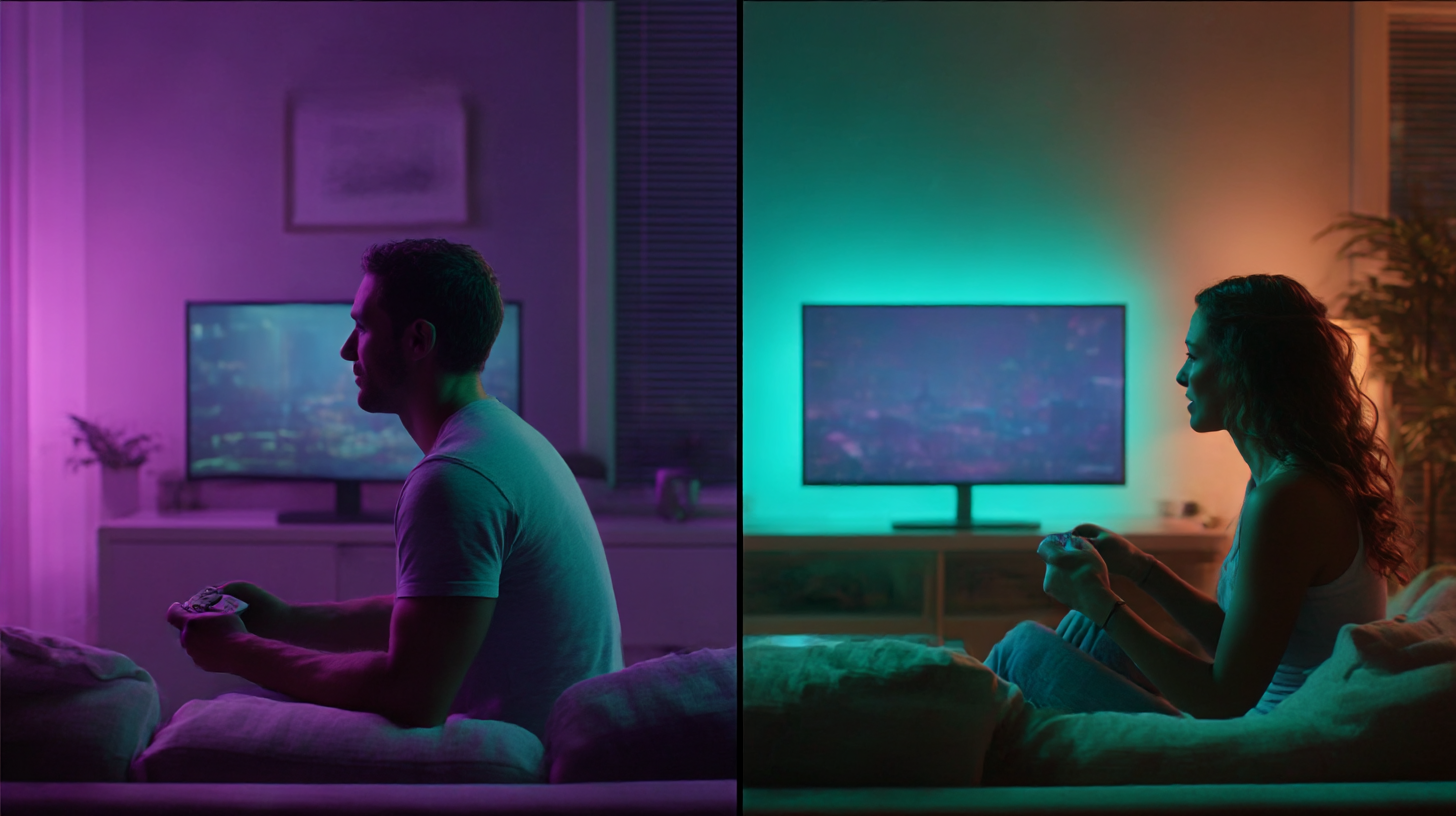
The critical detail: this research is specifically about partners of heavy gamers who don’t share the gaming activity. The variable isn’t gaming — it’s asymmetry. One partner gaming heavily while the other doesn’t is a recipe for resentment. Both partners sharing the activity produces the satisfaction numbers from the Logitech G research.
What the Data Actually Supports
Put the research together and the conclusion is specific: shared gaming identity in a relationship correlates with higher satisfaction, more quality time, and stronger connection. Gaming asymmetry — one heavy gamer, one non-gamer — correlates with broken commitments and relationship friction. Gaming itself isn’t the variable. Whether both people are part of it is.
The implication for single gamers is direct. Finding a partner who games isn’t a preference to negotiate around. It’s a relationship strategy with a documented outcome. Where that search happens — and what context it happens in — matters enormously. For an honest breakdown of the options, the philosophy behind LFGdating starts from exactly this premise.
The Short Version
Gaming couples report double the relationship satisfaction. They spend nearly four more hours per week in quality time together. 43% of gamers have found love through gaming communities. The research on gaming-related relationship conflict is real — and it’s specifically about gaming asymmetry, not shared gaming. Shared gaming identity isn’t a liability in a relationship. The data consistently suggests it’s the opposite.
Single gamer looking for more than a data summary? The full breakdown of the Logitech G research is worth your time.
Leave a Reply
You must be logged in to post a comment.